
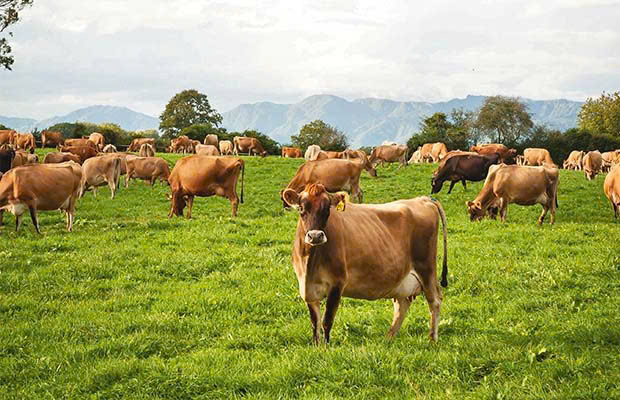
The process of producing clean milk on the farm – From pasture to glass of milk
Fresh milk is one of the most important foods for health, but the quality of milk depends not only on the breed of cow but also greatly on the production process.
A proper, clean milk production process not only ensures hygiene but also preserves the maximum natural nutritional value. In this article, we will explore in detail the clean milk production process at the farm, from raising cows to the point where the product reaches the consumer.
What constitutes clean milk?
Clean milk is not simply milk without bacteria, but milk that meets all the following criteria:
- Clear origin
- Contains no preservatives or harmful additives.
- The production process ensures hygiene.
- Preserves natural nutritional value.
A product can only truly be called “clean milk” when the entire production chain is strictly controlled.
Overview of the clean milk production process
The process of producing clean milk at the farm typically includes the following main steps:
- Raising and caring for cattle
- Food source control
- Milk
- Filter and cool quickly.
- Pasteurization
- Bottling and storage
Each step plays a crucial role in ensuring milk quality.
1. Dairy farming in a natural environment.
The quality of milk starts with the cow’s living environment.
Dairy cows need to be raised in the following environment:
- Cool and airy
- Clean
- There is space for movement.
On standard farms, cows are cared for using scientific methods, minimizing stress and ensuring stable health. This directly affects milk quality.
2. Control the food source.
The feed given to cows is a key factor in determining the nutritional composition of their milk.
Sources of clean food typically include:
- Fresh natural grass
- Fermented food
- Clean water source
If cows consume poor-quality feed or feed containing chemicals, their milk will also be affected.
3. Milking process
Milking is a crucial stage and requires absolute hygiene.
The milking process typically includes:
- Clean the breasts
- Use a specialized milking machine.
- Milk collection in a sealed environment.
This helps limit bacterial contamination and keeps the milk in the best condition right from the start.
4. Cool down quickly after squeezing.
Immediately after milking, the milk needs to be cooled quickly to maintain its quality.
Milk is often brought down to low temperatures for a short period of time in order to:
- Prevents bacterial growth.
- Maintain the nutritional structure.
This is a crucial step, but it is often overlooked in substandard processes.
5. Pasteurization preserves nutrients.
Pasteurization is a process of applying heat at a level sufficient to kill harmful bacteria while retaining most of the nutrients.
Unlike sterilization, this method:
- It does not significantly alter the milk structure.
- Preserves natural flavor.
- Preserves vitamins and minerals.
6. Bottling and storage
After processing, the milk is bottled in a clean environment and stored in a refrigerator.
This process needs to ensure:
- Safe packaging
- No infection
- Maintain a stable temperature.
The shorter the time from production to consumption, the better the quality of the milk.
The milk production process at Jasy Milk
At Jasy Milk, the production process is based on the Danifarm ecological farm model.
Jersey cattle are raised in a natural environment, fed on clean food, and undergo regular health checks.
The milk is harvested on the same day, rapidly cooled, and pasteurized to retain maximum nutritional value.
The entire process is controlled to ensure that the product reaches consumers fresh and safe.
You can check out the product at:
[Jasy Milk product link]
Why does the production process determine the quality of milk?
Many people only focus on the type of milk and forget that the production process is the deciding factor.
If the process is not guaranteed:
- Milk can become contaminated.
- Nutritional deficiencies
- The flavor is no longer natural.
Conversely, a good process will help:
- Preserves nutritional value.
- Ensuring safety
- Creating products of consistent quality.
Conclude
The process of producing clean milk is a core factor determining the quality of the product. From raising cows and controlling feed to processing and preservation, each step needs to be carried out rigorously.
When choosing milk, consumers should pay attention not only to the brand but also to the production process behind the product.
Contact Jasy Milk
If you are looking for fresh, clean milk from a farm with a clear and transparent process, contact Jasy Milk for advice and to choose the right product.